

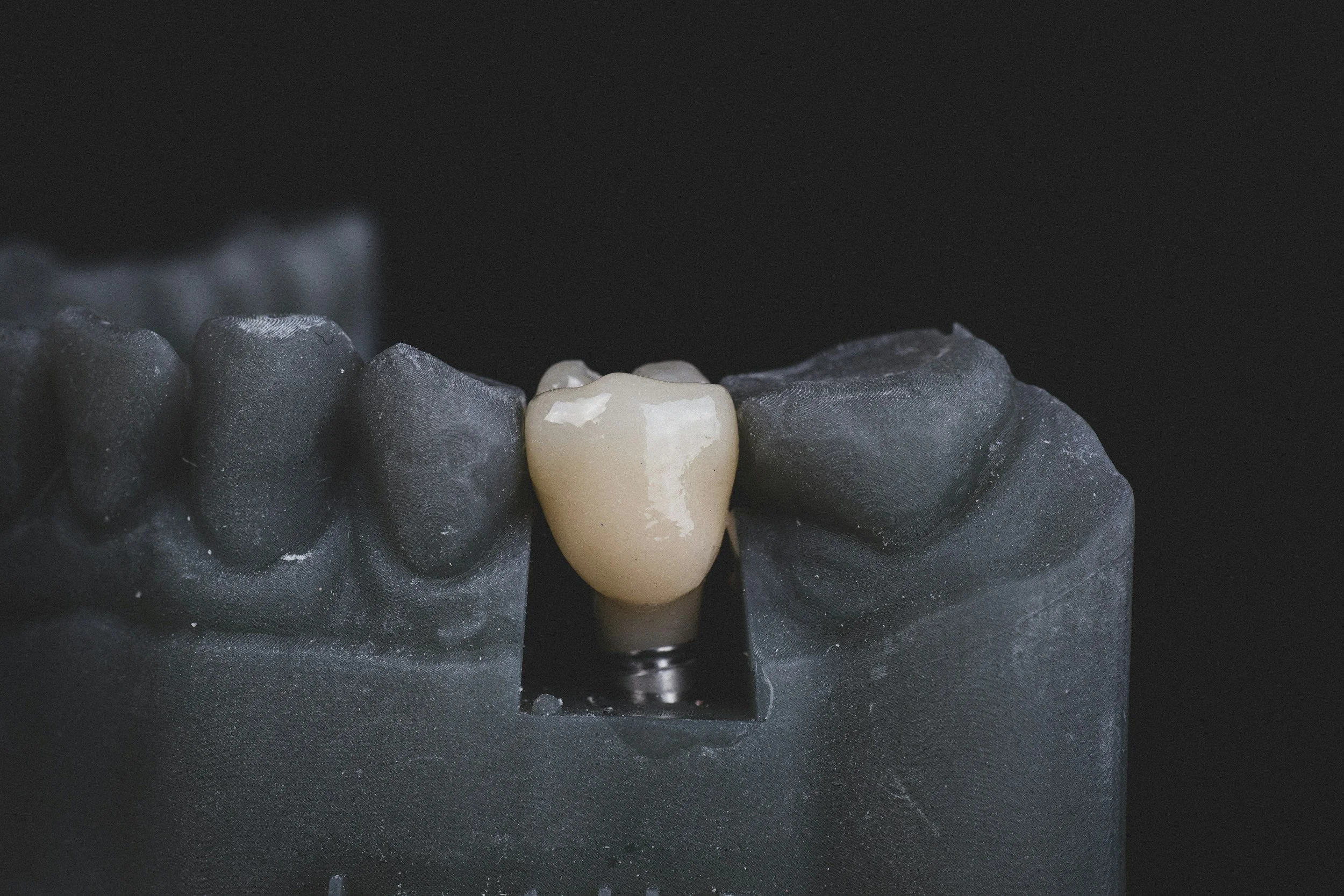
Implant Complications in Clinical Practice: Prevention, Recognition, and Management
Dental implants are a predictable and widely used option for replacing missing teeth, but successful implant therapy involves more than achieving osseointegration. Biological, mechanical, surgical, and esthetic complications may develop throughout the life of an implant and can affect long-term outcomes.
For clinicians, careful treatment planning, early recognition of complications, and structured maintenance remain central to predictable implant care.
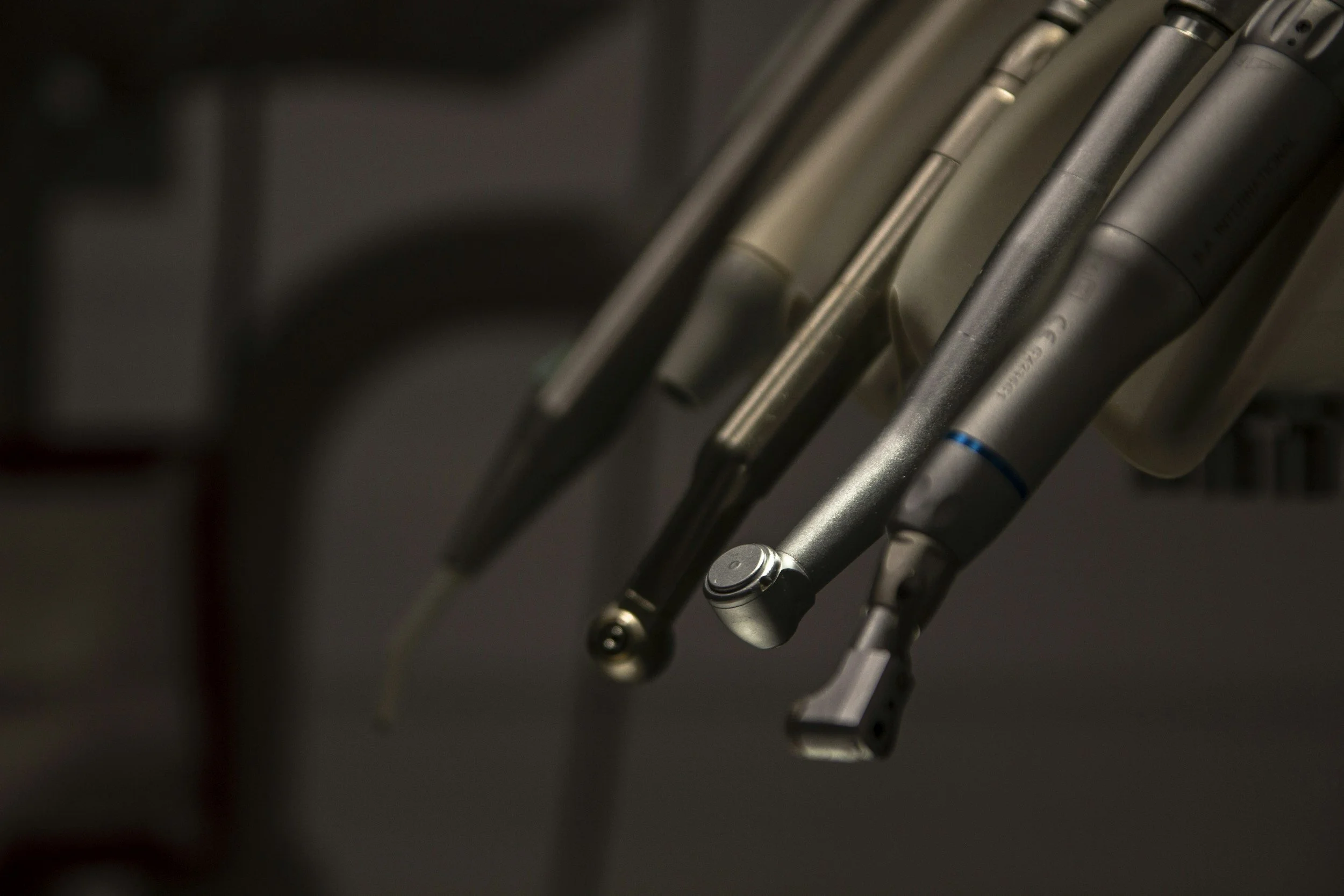
The Future of Dentistry: Trends Shaping the Next Generation of Dental Care
The future of dentistry is being shaped by rapid advancements in technology, digital workflows, artificial intelligence, and patient-centered care. As dental practices continue to evolve, understanding emerging trends can help professionals improve efficiency, enhance clinical decision-making, and deliver more predictable outcomes. Explore how innovation is transforming modern dentistry while maintaining the importance of clinical expertise, collaboration, and high-quality patient care.
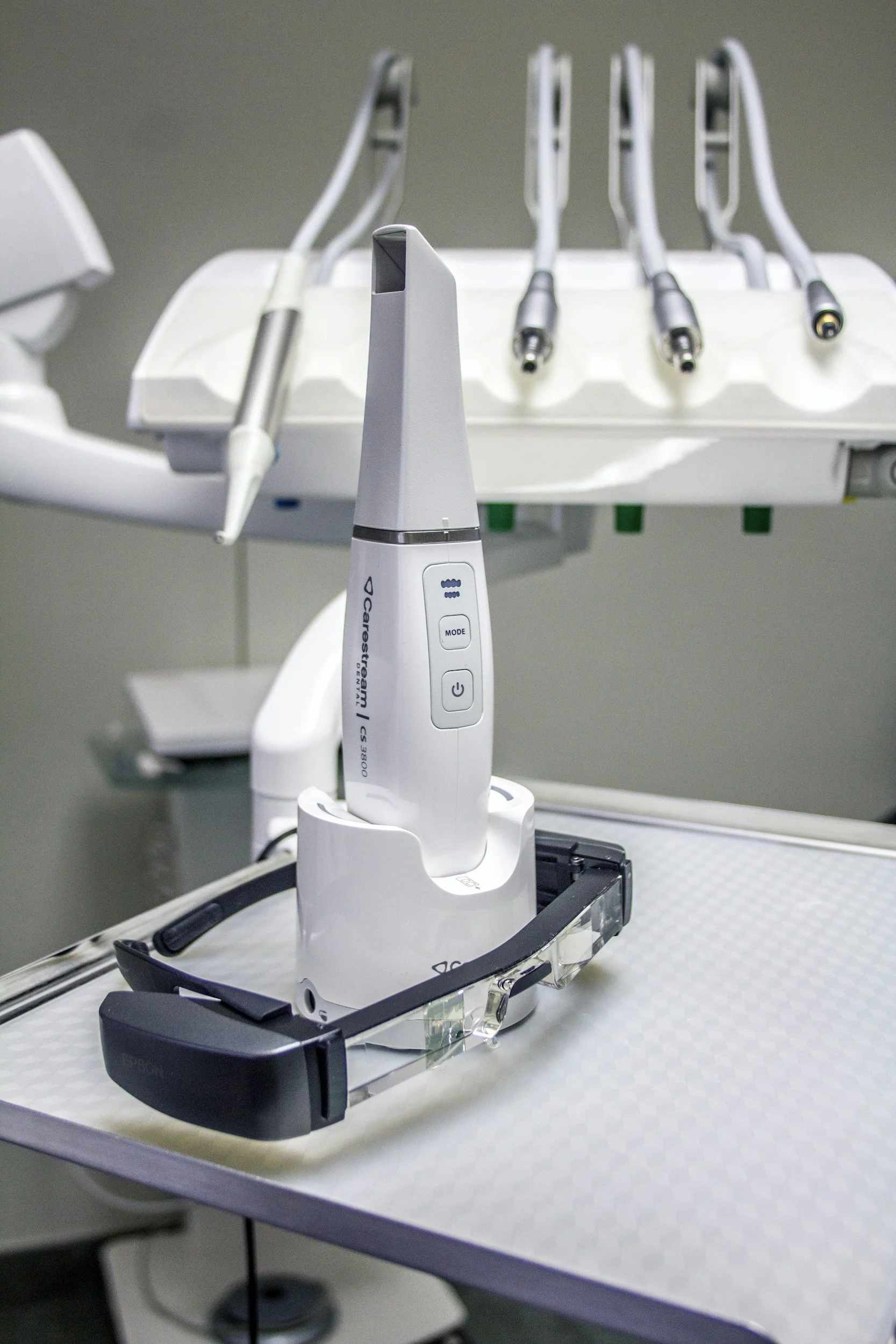
How Intraoral Scanners Are Reshaping Restorative Dentistry
Digital dentistry has fundamentally changed the way restorative care is planned, delivered, and communicated. Among the technologies driving this transformation, intraoral scanners have become one of the most valuable tools for improving clinical efficiency and restorative accuracy. By replacing conventional impression materials with high-resolution digital scans, clinicians can create a more predictable workflow while enhancing collaboration with laboratories and improving the overall patient experience. As scanning technology continues to advance, intraoral scanners are evolving from a convenience into an essential component of modern restorative practice.
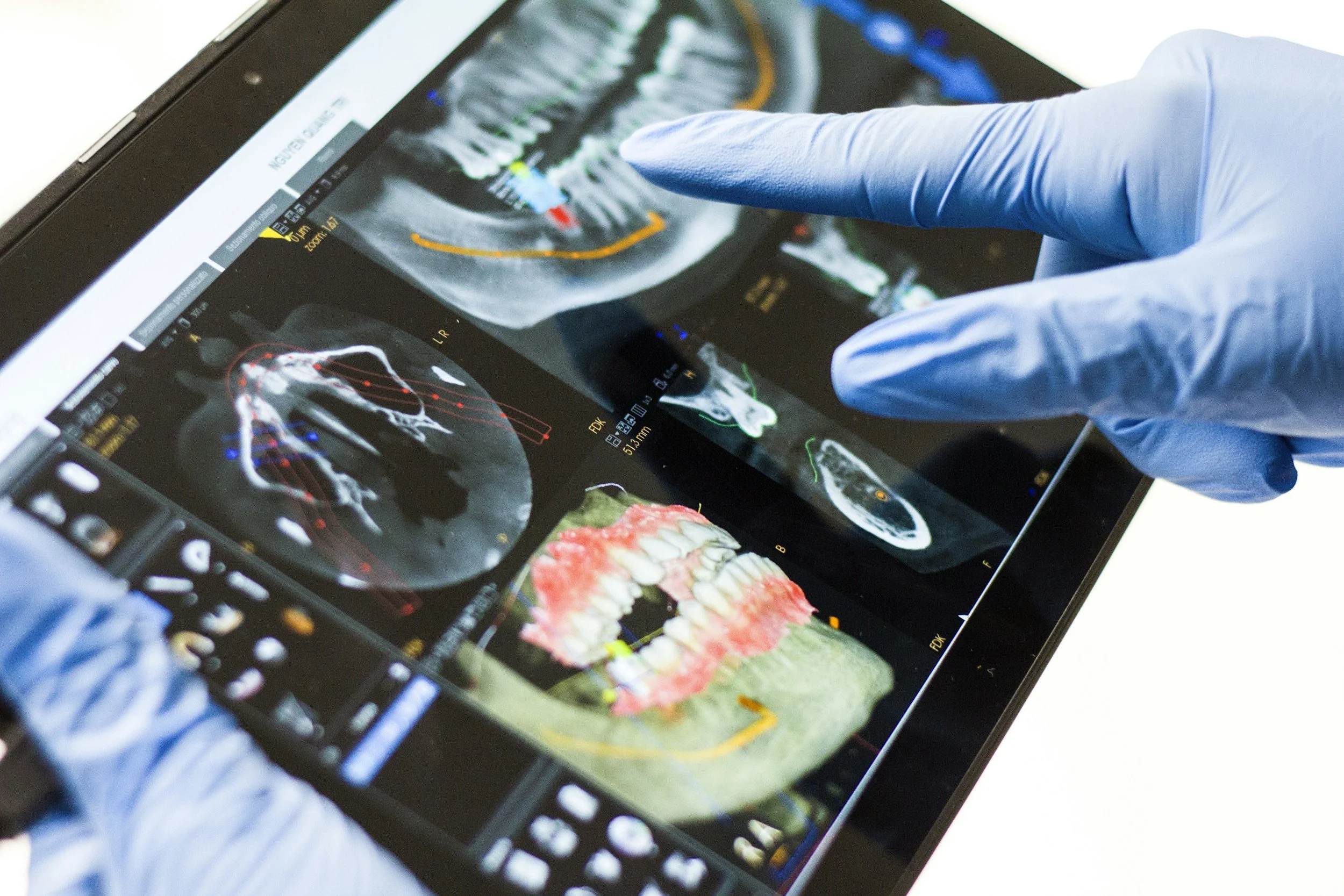
How Artificial Intelligence Is Transforming Modern Dental Practices
As artificial intelligence becomes increasingly integrated into digital dentistry, practices are leveraging AI to improve diagnostics, optimize workflows, and enhance operational efficiency. Explore the key applications of AI and how it is shaping the future of patient care and practice management. From AI-assisted radiographic analysis to workflow automation, these innovations are helping dental professionals make more informed clinical decisions while improving the overall efficiency of their practices.
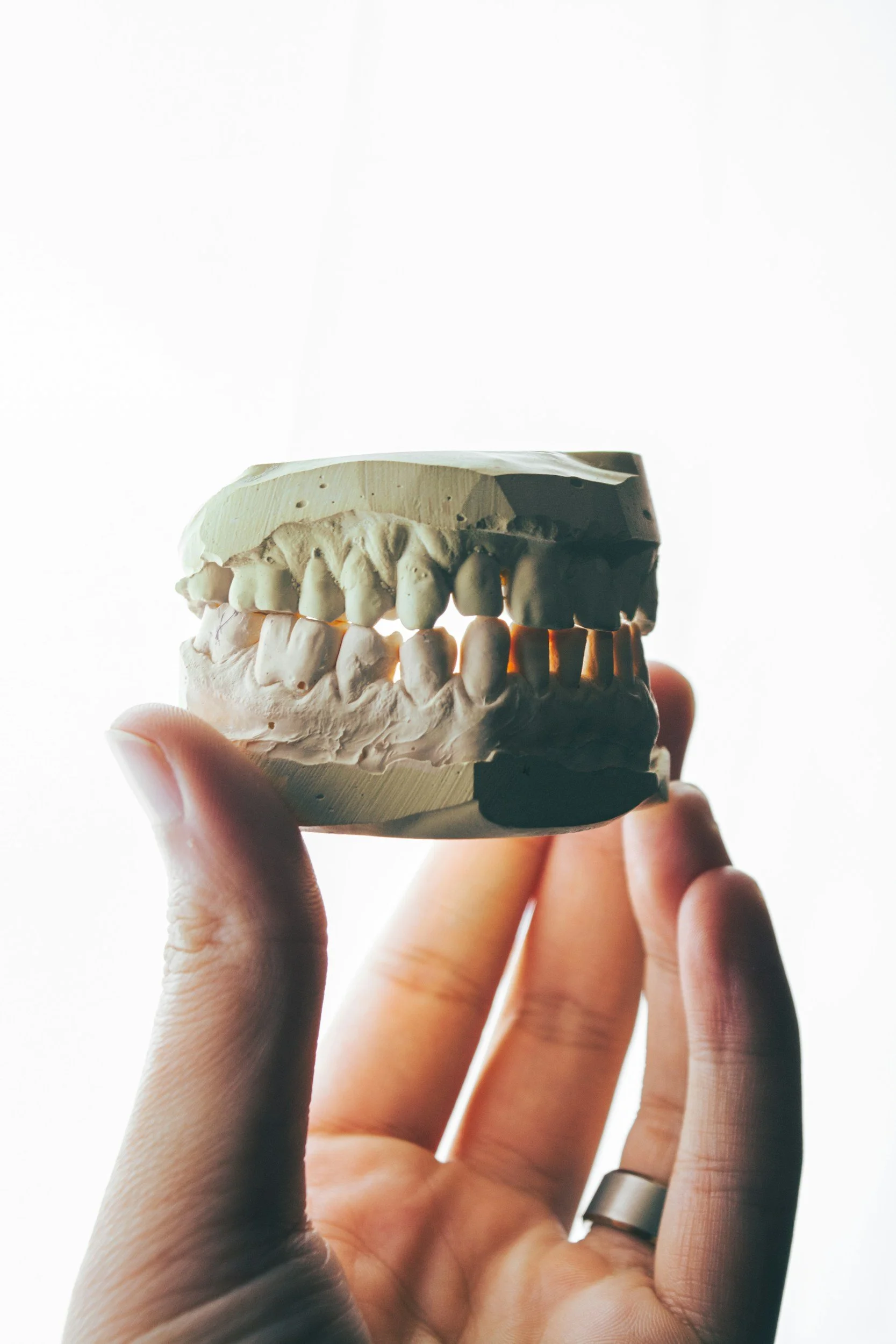
3D Printing in Modern Dental Practices: Applications, Integration, and ROI
Digital dentistry has rapidly moved from innovation to expectation, and few technologies have reshaped clinical workflows as quickly as 3D printing. Once limited primarily to dental laboratories, in-office additive manufacturing is now becoming a practical investment for general practices, specialists, and multi-location groups seeking greater efficiency and control over treatment delivery.
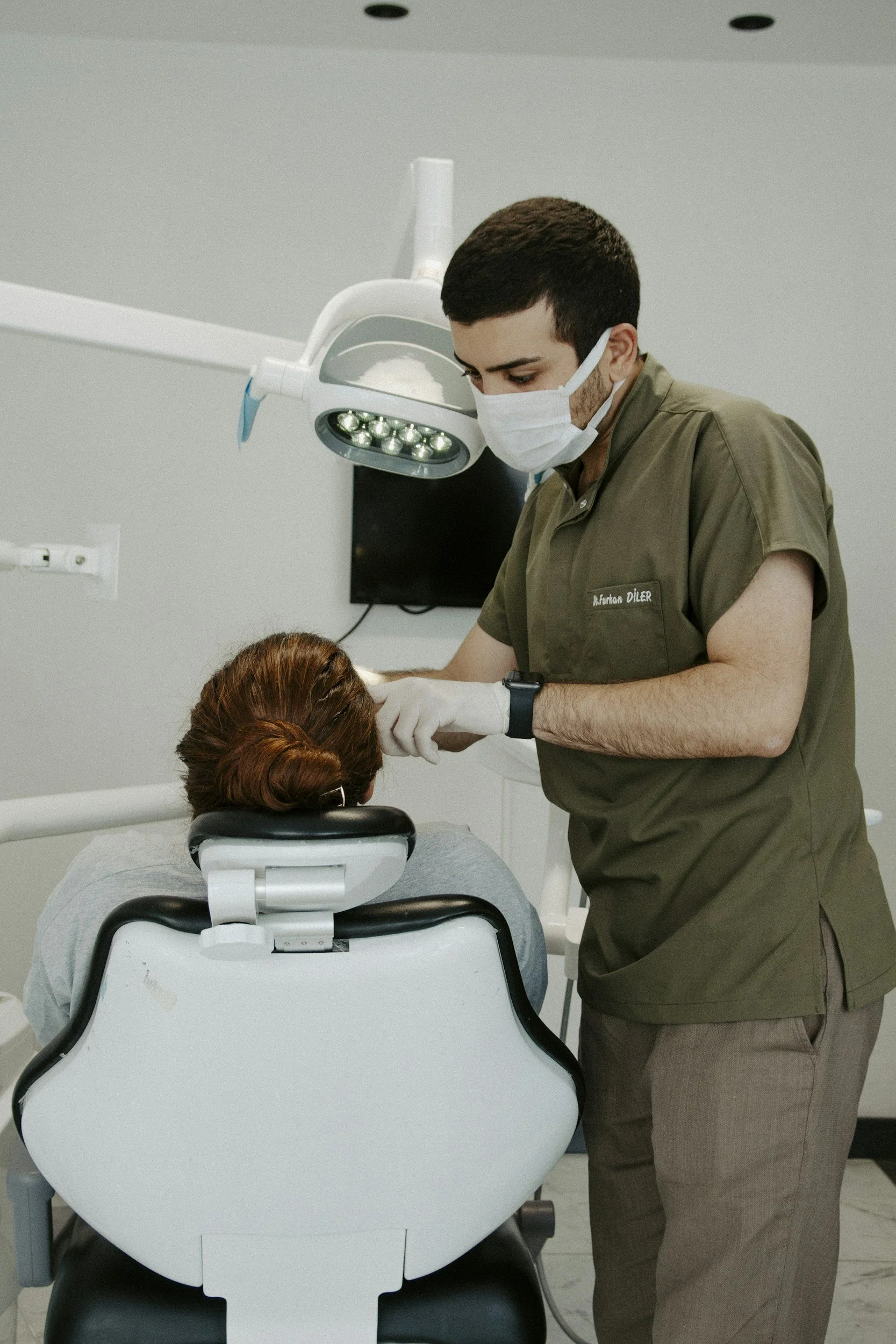
The Role Of Technology In Streamlining Dental Workflows
Efficiency in a dental practice is no longer defined solely by clinical skill. Today, it is shaped just as much by how seamlessly information, people, and systems work together. As practices face increasing patient volume, higher expectations, and tighter margins, technology has become a central driver of more streamlined, predictable workflows.
When implemented thoughtfully, digital tools reduce friction across the practice, from front desk operations to chairside care, allowing clinicians and staff to focus on what matters most: delivering high-quality dentistry.